We celebrate International Women in Engineering Day!
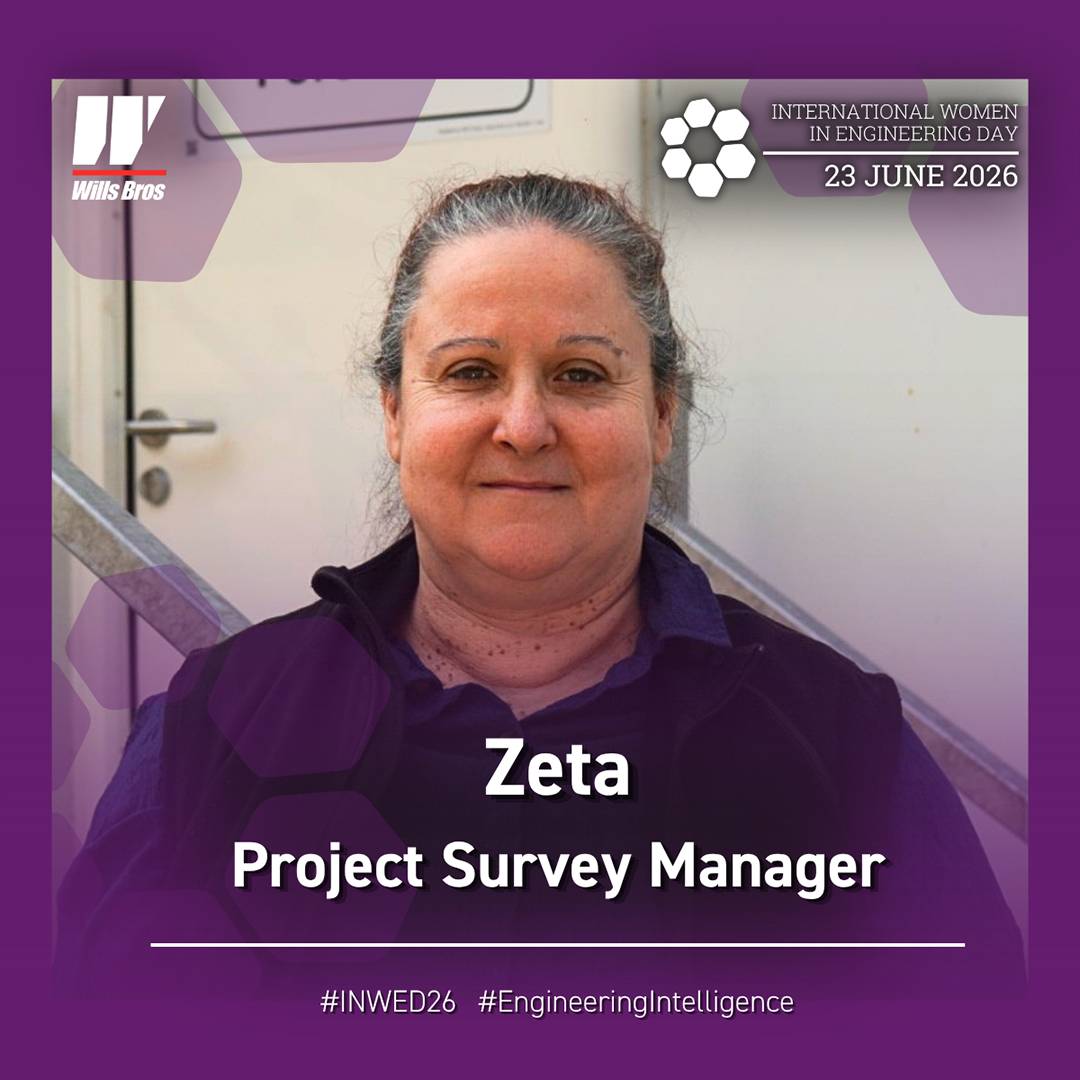
This year the theme is #EngineeringIntelligence. We spoke to Zeta, our Survey Manager, who told us what Intelligence in civil engineering means to her.
‘Intelligence in civil engineering is about combining skill, judgement, and efficiency. The aim is to deliver high-quality results while making the best use of time, resources, and expertise…’
What do you find most rewarding about problem-solving on projects?
For me, one of the most rewarding parts of working in civil engineering is knowing that the work we do has a lasting impact. When you are involved in building infrastructure, you are not only creating something for the current generation, but something that will continue to be used by society for many years to come.
There is a real sense of pride in seeing a project develop from the early stages through to completion. You understand the amount of planning, coordination, and technical work that happens behind the scenes. When you look back on a completed project, you remember the challenges that were overcome and the contribution you made. That reflection is meaningful because the work becomes part of the community and continues to serve a purpose long after it is finished.
How would you describe the role of surveying within a project?
Surveying plays a crucial role at the beginning of a project and throughout its delivery. Before construction work can properly begin, accurate surveying is needed to understand the site, establish control, and provide the information required for the project team to work from. Without that foundation, it becomes much more difficult to deliver the project safely, efficiently, and accurately.
It is important to understand that surveying is not simply about pressing a button on a screen or relying on equipment to provide an answer. Technology is a valuable tool, but the surveyor must know how to use it correctly and interpret the information it provides. That requires a wide range of skills, including mathematics, science, engineering knowledge, and practical experience.
For example, modern surveying often uses satellite-based systems. To use those systems effectively, you need to understand the principles behind them, including aspects of physics and positioning. A surveyor brings all of these skills together to solve problems, support decision-making, and help the wider team achieve the project goals.
You have around thirty years of experience in surveying. What has kept you committed to the profession?
I have enjoyed my career very much, and I genuinely cannot imagine myself doing anything different. Surveying is a profession that has allowed me to keep learning, keep developing, and keep applying my knowledge to real-world projects.
Over the years, I have invested a significant amount of time into the profession. I have also achieved three degrees, which have helped strengthen my technical understanding and supported my development. However, practical experience is just as important. Working on projects over many years gives you judgement, perspective, and confidence in how to approach different challenges.
What keeps me committed is the combination of technical problem-solving and visible impact. You can see how your work contributes to the progress of a project, and that gives the role a strong sense of purpose.
Why did you choose to work with Wills Bros?
I chose Wills Bros because the company is focused on quality and on doing things correctly from the beginning. That is important to me. A successful project needs strong control from the outset, clear standards, and a commitment to getting the foundations right.
I also felt that I had knowledge and experience that I could bring to the project. I enjoy being involved from the early stages and helping to build something from scratch. There is a particular satisfaction in seeing a project grow from the initial groundwork into something tangible and valuable.
For me, Wills Bros provides an environment where experience, quality, and practical delivery are valued. That aligns well with the way I like to work and the standards I believe are important in civil engineering.
What does intelligence mean in civil engineering?
In civil engineering, intelligence means working in a thoughtful, efficient, and effective way. It is not only about working hard; it is about choosing the right methodology, understanding the problem, and applying the best solution.
Working intelligently means doing things properly from the beginning. If you establish the right approach early, you can reduce unnecessary effort, avoid repeated work, and deliver better outcomes. It is about working smart, making informed decisions, and using experience and technical knowledge to achieve more with less waste.
Ultimately, intelligence in civil engineering is about combining skill, judgement, and efficiency. The aim is to deliver high-quality results while making the best use of time, resources, and expertise.